
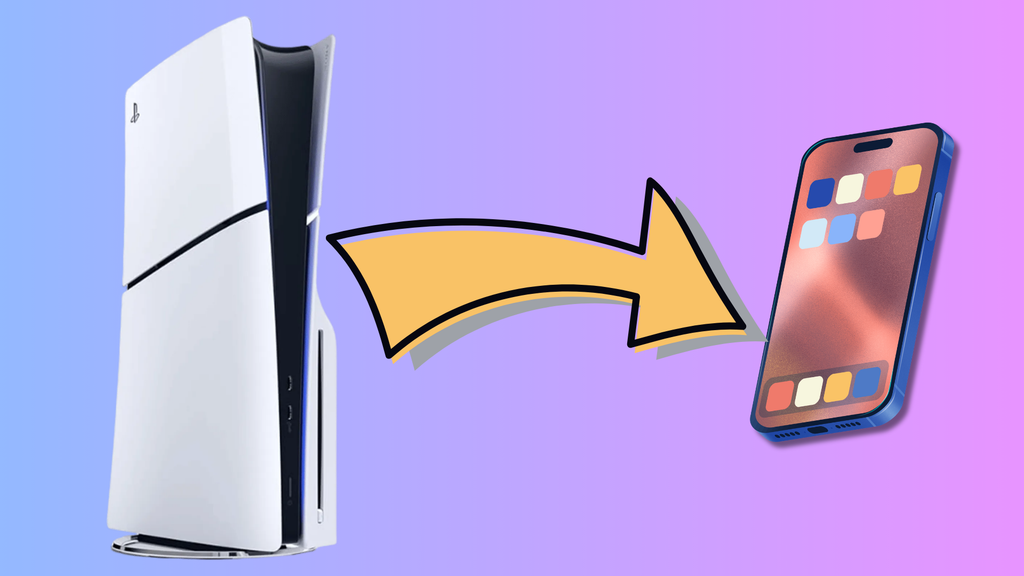
For years, I considered myself a dedicated console gamer. The idea of playing games on my smartphone seemed almost laughable – how could a tiny screen with touch controls ever compete with the immersive experience of a PlayStation or Xbox? Mobile gaming, in my mind, was reserved for casual puzzle games and endless runners designed to kill time during commutes. That perspective changed completely when I stumbled upon a little-known free-to-play title that has fundamentally altered my understanding of what mobile gaming can achieve.
The mobile gaming industry has undergone a remarkable transformation over the past decade. What started as simple time-wasters like Snake and Tetris clones has evolved into a sophisticated market worth over $90 billion globally. Modern smartphones now pack processing power that rivals dedicated gaming consoles from just a few years ago, with high-refresh-rate displays, advanced haptic feedback, and graphics capabilities that would have seemed impossible on handheld devices. Yet despite these technological leaps, many traditional gamers like myself remained skeptical, dismissing mobile titles as shallow experiences designed primarily to extract money through aggressive microtransaction models.
The Unexpected Discovery That Changed My Gaming Habits
The game that converted me wasn’t advertised on billboards or promoted through expensive marketing campaigns. I discovered it through a friend’s recommendation, buried among thousands of titles in the app store with modest download numbers and relatively few reviews. What immediately struck me was the attention to detail in its design – this wasn’t a rushed cash grab but a carefully crafted experience that respected the player’s time and intelligence. The controls, often the Achilles heel of mobile gaming, were intuitive and responsive, proving that touch-based interfaces can work beautifully when developers invest the effort to optimize them properly.
What makes this hidden gem particularly remarkable is its business model. In an era where many mobile games employ manipulative tactics to encourage spending – from energy systems that limit playtime to pay-to-win mechanics that create artificial barriers – this title takes a refreshingly honest approach. The free-to-play model actually feels fair, with optional purchases that enhance rather than gatekeep the core experience. This philosophy aligns with a growing movement in mobile gaming that prioritizes player satisfaction over short-term profit extraction, a trend that industry analysts believe will become increasingly important as the market matures.
Why Mobile Gaming Deserves More Respect From Traditional Gamers
The prejudice against mobile gaming among console and PC enthusiasts often stems from legitimate concerns about quality control and predatory monetization. However, dismissing the entire platform means missing out on genuine artistic achievements. Games like Monument Valley, Genshin Impact, and countless indie titles have demonstrated that mobile devices can deliver meaningful, memorable experiences. The accessibility of smartphones – devices that nearly everyone already owns – also democratizes gaming in ways that expensive consoles cannot. For many people around the world, mobile represents their primary or only gaming platform, and the content created for these users deserves recognition.
My conversion from console skeptic to mobile gaming advocate doesn’t mean abandoning traditional platforms. Instead, it represents an expansion of what I consider legitimate gaming experiences. The convenience of having quality games available in my pocket during unexpected downtime – waiting at appointments, during lunch breaks, or while traveling – has added countless hours of entertainment to my life. The key lies in being selective and seeking out titles that prioritize gameplay quality over monetization, much like finding hidden gems on any gaming platform.
The Future of Gaming Is Platform-Agnostic
As technology continues advancing, the lines between mobile, console, and PC gaming will likely blur further. Cloud gaming services already allow players to stream console-quality titles to their phones, while cross-platform play enables gamers on different devices to compete and cooperate seamlessly. The discovery of this one exceptional mobile game taught me that great experiences can come from unexpected places. For fellow console purists who remain unconvinced, I encourage keeping an open mind – sometimes the games that surprise us the most are the ones we never expected to play.
Expert Opinion: The mobile gaming market is increasingly bifurcating into premium experiences designed for engaged players and casual titles focused on mass-market appeal. As smartphone hardware capabilities continue approaching console-level performance, we can expect more traditional gaming studios to take mobile development seriously, potentially delivering AAA-quality experiences native to handheld devices within the next three to five years. The real winners will be players who embrace quality content regardless of platform.