
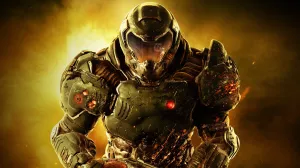
Fans of one of gaming’s most iconic soundtracks will soon get the opportunity to experience it in an entirely new dimension, as legendary composer Mick Gordon has announced he will perform the complete Doom soundtrack live on stage for the first time ever. The groundbreaking performance will take place at Radar Festival in the United Kingdom next summer, where Gordon will headline with a full live band, orchestra, and complete theatrical production. While Gordon briefly performed a medley at The Game Awards back in 2016, this upcoming show marks his first full-length concert performance of the beloved video game music that has defined a generation of gaming experiences.
The Music That Redefined Video Game Soundtracks
Mick Gordon’s work on 2016’s Doom reboot and its 2020 sequel Doom Eternal fundamentally transformed what players and critics alike expected from video game music. His unique approach combined crushing heavy metal guitar riffs with industrial synthesizers and earth-shaking electronic production, creating a sonic experience that perfectly complemented the games’ intense demon-slaying action. Tracks like “Rip & Tear,” “BFG Division,” and “The Only Thing They Fear Is You” have transcended their gaming origins to become cultural phenomena in their own right, accumulating millions of streams across music platforms and remaining staples of gaming music playlists years after their initial release. The soundtrack’s influence has been so profound that it has inspired countless covers, remixes, and tributes from musicians around the world, cementing Gordon’s status as one of the most influential video game composers of the modern era.
Before his work on Doom, Gordon had already established himself as a talented composer with credits on titles including Wolfenstein: The New Order and Killer Instinct. However, it was the Doom soundtrack that propelled him to international recognition. His innovative production techniques, which included sampling chainsaws and processing guitar sounds through custom-built audio processing chains, created a sonic palette unlike anything heard in gaming before. The Australian-born composer spent years developing his signature sound, drawing inspiration from industrial metal pioneers like Nine Inch Nails and electronic artists while forging something entirely unique.
From Digital Dreams To Live Reality
The journey to bring Doom’s music to the live stage has been a long and complicated one. Speaking exclusively ahead of the announcement, Gordon revealed that attempts to stage a live performance have been in the works since the 2016 game’s release. “Ever since Doom 2016, there’s been rumblings and multiple attempts to try and get some version of this into a live setting,” he explained. “I’ve been trying for a number of years to get this thing off the ground. Then out of the blue Joe James, Radar Festival organizer, came to me with a really awesome opportunity through Radar.” The opportunity comes as a particularly welcome development given the well-publicized split between Gordon and developer id Software following the release of Doom Eternal, which had raised questions among fans about whether such a performance would ever be possible.
The timing of Doom Eternal’s release created additional challenges that delayed any potential live performances. “We released Doom Eternal on March 20, 2020, and lockdown was already in effect,” Gordon recalled. “I remember thinking, ‘Shit, anything we could have done around this exact moment of the game coming out is gone now.’ It felt, not like it was over or that we wouldn’t be able to do it, but certainly if there was an opportunity it was slowly passing by. But it’s interesting—music just survives.” The global pandemic effectively shut down the live music industry for the better part of two years, pushing back any plans for touring or festival appearances indefinitely.
The Perfect Venue And Audience
Gordon expressed particular enthusiasm about Radar Festival as the venue for this historic performance, noting the event’s unique blend of heavy metal music fans and dedicated gamers. The three-day festival combines live alternative music performances with a marketplace where game developers and players come together to preview upcoming titles, participate in tabletop gaming sessions, and connect over their shared passion for gaming culture. “For a long time, I’ve wanted to take what I love about video game music and put it into a live setting that matches the energy you would get from a live rock or metal show,” Gordon said. “Radar feels like the absolute perfect festival to do it. There’s no better.” The crossover between metal music enthusiasts and gaming communities has been well-documented, making Radar’s audience ideally suited for what promises to be a groundbreaking performance.
Festival organizer Joe James has confirmed that no expense will be spared in making the production as epic as possible. “We’re looking at all options to make it epic. Fire, screens, projection mapping are all on the table,” James told reporters. Gordon has also confirmed that he will be bringing the legendary “Doom Machine” to the performance—the custom-built instrument he specifically created to compose the game soundtracks. This unique piece of equipment, which combines multiple guitars, synthesizers, and custom electronics, has never been seen in a live performance setting before. Gordon hopes that this performance will demonstrate the potential for similar collaborations between music festivals and video game publishers in the future. “I hope this thing shows the potential of this type of stuff to publishers and developers,” he said. “The game isn’t just that gap between the player and the television.” Radar Festival is scheduled for July 30 through August 1, 2027, with early registration offering 25% off ticket prices. Meanwhile, Gordon continues his work on the soundtrack for the upcoming game Defect, ensuring his creative output shows no signs of slowing down.
Expert Opinion: This historic performance could mark a turning point for video game music in the broader entertainment landscape. As gaming continues to mature as an art form and games generate revenues exceeding traditional film and music industries combined, we can expect to see more composers and publishers exploring live performance opportunities. If Gordon’s Radar Festival appearance proves successful, it may open doors for other iconic game soundtracks to receive similar theatrical treatment, potentially creating an entirely new category of live entertainment that bridges gaming culture and concert experiences.