
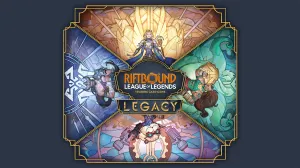
Riftbound, Riot Games’ ambitious trading card game set in the League of Legends universe, recently marked a significant milestone by celebrating its one-year anniversary on August 1 during GenCon 2026. Since the game’s launch late last year, the development team has implemented dozens of changes, including errata corrections, rules updates, and even card bans to maintain competitive balance. Now, in the first of three State of the Game updates released this week, Riot has unveiled some of the most substantial changes coming to Riftbound starting in January 2027 with the release of the game’s sixth set, Legacy.
Key Changes Coming to Riftbound
- Riftbound’s sixth set, Legacy, launches January 29, 2027 with major card template redesigns and terminology overhauls.
- Legend cards will occupy common slots instead of rare slots, preserving two guaranteed rare-or-better cards per booster pack.
- New arrow icons will mark triggered abilities, and target words will appear on gray backgrounds for clearer gameplay.
- The word ‘play’ is being split into distinct terms: ‘create’ for tokens and ‘when I enter’ for resolution triggers.
- Riot implemented its first preemptive card bans with the Vendetta set, signaling ongoing proactive balance monitoring.
The trading card game market has become increasingly competitive in recent years, with established franchises like Magic: The Gathering and Pokémon TCG continuing to dominate while newer entries fight for market share. Riftbound’s integration with the beloved League of Legends IP has given it a unique advantage, drawing in both dedicated card game enthusiasts and the massive existing fanbase of Riot’s flagship MOBA. The game’s first year has been a learning experience for both developers and players alike, with the community actively shaping the direction of future development through feedback and competitive play data.
How Riot Approaches Card Bans After Year One
Two comprehensive State of the Game update articles were released today on Riot’s official website. The first featured an in-depth conversation with Riftbound’s leadership team, including Dave Guskin, Chengran Chai, and Nik Davidson, moderated by the game’s Editor-in-Chief Trick Jarrett. The discussion covered their reflections on the game’s first year and the most valuable lessons learned during that transformative period. Regarding the controversial topic of banning cards, Game Director Dave Guskin provided transparency about the team’s approach, explaining that bans are never the initial goal but sometimes become necessary for the health of the game.
Guskin specifically cited the powerful “Miracle” package from the Spiritforged set as an example of when intervention became essential. “I don’t regret making powerful things,” he stated. “We want you all to have cool stuff to experiment with! But as we learn the nuances of making Riftbound, which is something we are doing right alongside you all, our extremely intelligent players, we’ve learned there’s still room to grow in how we approach designing the six domains and gauging the true power of certain game mechanics.” This philosophy reflects a broader industry trend where TCG developers increasingly view their games as living ecosystems that require careful stewardship rather than static products.
Preemptive Bans Signal a New Balance Strategy
| Card Type | Current Packs | Legacy Packs |
|---|---|---|
| Commons | 7 | 6 |
| Uncommons | 3 | 3 |
| Rare or Higher | 2 (Legend takes 1 slot) | 2 (preserved) |
| Foil (any rarity) | 1 | 1 |
| Token or Rune | 1 | 1 |
| Legend Card Slot | Rare slot | Common slot |
Last week’s release of Riftbound’s fourth set, Vendetta, marked a significant shift in the development team’s approach to competitive balance. For the first time, the team implemented three preemptive bans before the set even reached players’ hands, demonstrating a more proactive stance toward maintaining a healthy competitive meta from day one. This strategy represents a departure from the traditional reactive approach that many TCGs employ, where problematic cards are only addressed after they’ve already disrupted tournament play for weeks or months. The team has confirmed they will continue monitoring powerful strategies and infinite combos going forward, suggesting that this vigilant approach will become standard practice.
The second article released today detailed upcoming products for the remainder of 2026 and provided a preview of the first half of 2027’s set releases. What stands out most prominently is Riot’s comprehensive breakdown of major changes arriving when Legacy launches on January 29, 2027. Several of these modifications address concerns that the community has voiced for months, demonstrating Riot’s commitment to collaborative development. As the article stated, Riftbound will “continue to be reactive to player feedback as it grows,” with Guskin emphasizing that the team “will always try to clearly communicate as we improve our process and learn lessons we apply to the game in the future.”
Legend Cards Move to Common Slots in Boosters
One of the most impactful changes coming to Riftbound affects the fundamental structure of booster pack contents. Currently, packs contain 14 cards distributed as follows: seven commons, three uncommons, two rare or higher cards, a foil card of any rarity, and a token or Rune. Legend cards, which are essential components for deck building and gameplay, have occupied one of the Rare slots since the game’s inception. While Riot has previously stated their goal of making Legend cards easily accessible, this slot allocation meant players were effectively missing out on actual rare cards that are genuinely difficult to find.
Starting with the Legacy set, Legend cards will move to occupy a common slot instead, preserving the promised two rare or better cards per pack while adjusting the common count from seven to six. This seemingly small change addresses a fundamental economic concern within the community, ensuring that the accessibility of essential gameplay components doesn’t come at the cost of collectible value. For players who purchase booster packs regularly, this adjustment could significantly impact their collection growth over time, making it easier to complete playsets of rare cards while maintaining easy access to the Legends needed for competitive play.
Redesigned Card Templates Clarify Targeting and Triggers
Perhaps the most visually significant changes coming with Legacy involve comprehensive redesigns to card templates and text formatting, aimed at providing clearer explanations of how cards function and resolve. The development team is introducing an arrow icon to signify triggered ability effects, making it immediately apparent when and how these abilities activate during gameplay. Additionally, cards with specific targets will now feature that targeting word displayed against a gray background, eliminating any ambiguity about which element on the card represents the intended target of a spell or ability.
The most substantial terminology change addresses the multifaceted meaning of the word “play” within Riftbound’s rules framework. Since launch, “play” has referred to multiple distinct actions: making a token appear, placing a card on the chain, finalizing a spell, or resolving an ability. The team acknowledged that these definitions weren’t exhaustive enough, leading to confusion among both new and experienced players. Moving forward, the terminology will be refined significantly. Finalizing a spell or playing a card from your trash pile remains unchanged, but cards that generate tokens will now use “create” instead of “play.” Furthermore, cards with the phrase “when you play me” will be changed to “when I enter,” clarifying that their effects trigger upon resolution in play rather than when initially cast.
Today’s articles represent just the beginning of Riftbound’s State of the Game update week, with more announcements and news expected throughout the coming days. For a game that has already demonstrated remarkable growth and adaptation in its first year, these changes signal Riot’s long-term commitment to making Riftbound a premier destination for TCG enthusiasts and League of Legends fans alike.
What These Changes Mean for Riftbound's Future
The booster pack restructuring addresses a persistent community complaint about value. By moving Legends to common slots, players no longer sacrifice rare pulls for essential gameplay components. Over dozens of packs, this compounds into significantly more tradeable and collectible rares, which could stabilize secondary market prices and reduce the cost barrier for competitive deck building.
Riot’s shift toward preemptive bans—demonstrated with Vendetta’s three cards banned before release—marks a notable departure from how most TCGs operate. Typically, problematic cards wreak havoc for tournament cycles before corrections arrive. This proactive approach suggests Riot is prioritizing competitive health over the short-term excitement of broken interactions, a strategy that could retain serious players but may frustrate those who enjoy discovering powerful combos.
The terminology cleanup around ‘play,’ ‘create,’ and ‘when I enter’ might seem minor, but precise language prevents rules disputes and speeds up gameplay. For a game competing against Magic’s 30 years of refined rules templating, these clarifications help Riftbound feel more polished. Watch for whether these changes require errata on existing cards, which could create confusion during the transition period.
Frequently Asked Questions
When does the Riftbound Legacy set release?
Legacy, Riftbound’s sixth set, releases on January 29, 2027. It brings redesigned card templates, new terminology standards, and changes to booster pack contents that will apply to all future sets.
How are Riftbound booster packs changing?
Legend cards will move from a rare slot to a common slot. Packs will contain six commons instead of seven, but you’ll still get two guaranteed rare-or-better cards per pack, plus the usual foil and token or Rune.
What does 'when I enter' mean in Riftbound?
Starting with Legacy, cards previously worded ‘when you play me’ will say ‘when I enter’ instead. This clarifies that the ability triggers upon resolution in play, not when initially cast onto the chain.
Expert Opinion: Riot’s decision to implement preemptive bans and comprehensive template overhauls demonstrates a mature approach to TCG development that typically takes years for studios to adopt. The shift of Legend cards to common slots could significantly improve player retention by reducing the perceived cost barrier for competitive play. If Riftbound maintains this level of community engagement and transparent communication, it has strong potential to establish itself as a major long-term competitor in the increasingly crowded digital and physical TCG marketplace.