
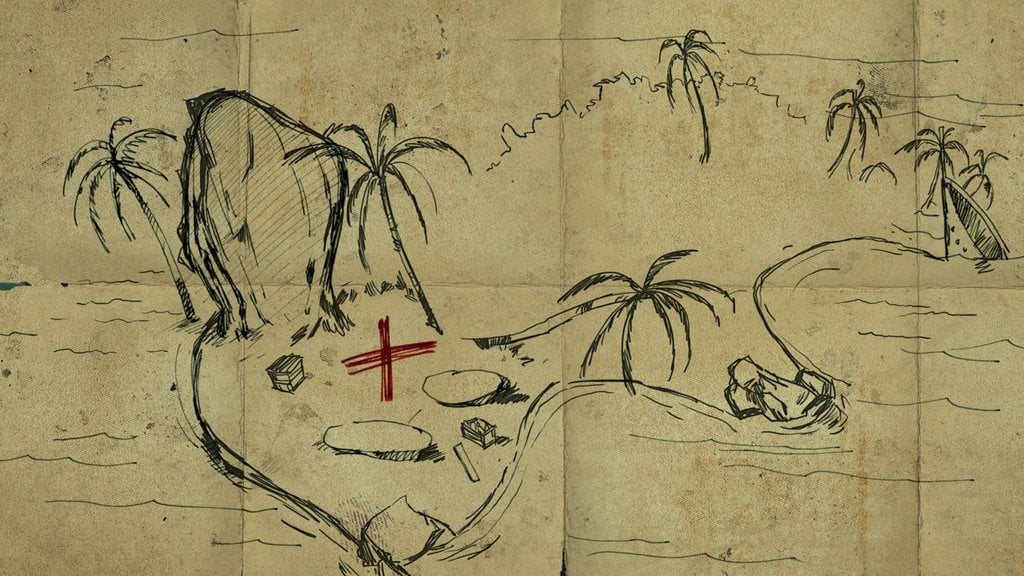
The highly anticipated remastered edition of Assassin’s Creed IV: Black Flag has finally arrived, bringing Edward Kenway’s swashbuckling adventures back to life with stunning visual enhancements and refined gameplay mechanics. Among the many activities that captivated players in the original 2013 release, treasure hunting remains one of the most rewarding and immersive experiences in the game. For those exploring the Caribbean seas once again, finding the buried treasure at Salt Lagoon connected to the Abaco Island treasure map can prove challenging without proper guidance. This comprehensive guide will walk you through every step needed to locate and unearth this valuable hidden chest.
Understanding the Treasure Map System in Black Flag
Assassin’s Creed IV: Black Flag features an elaborate treasure hunting system that pays homage to classic pirate folklore. Throughout the game, players can discover treasure maps at various locations across the Caribbean archipelago. Each map contains cryptic illustrations and landmark references that point to buried chests filled with valuable rewards including reales (the in-game currency), crafting materials, and upgrade blueprints. The treasure map connected to Salt Lagoon can be found on Abaco Island, a small uncharted location in the northeastern region of the map. Players must first visit Abaco Island and locate the map before they can begin their search for the corresponding buried treasure.
The treasure hunting mechanic in Black Flag was designed to encourage exploration and reward players who pay attention to environmental details. Unlike modern games that provide exact waypoints, these treasure maps require genuine detective work. Players must study the illustrated landmarks on each map and match them to actual in-game locations. This system was praised by critics when the original game launched and remains a highlight of the remastered experience. The development team at Ubisoft Singapore originally created over twenty unique treasure maps for the base game, each offering a different puzzle-solving experience.
Locating the Abaco Island Treasure Map
Before heading to Salt Lagoon, players must first acquire the treasure map from Abaco Island, located at coordinates 606, 835 on the naval map. This small island features minimal enemy presence, making it an accessible early-game destination. Upon arriving at Abaco Island, players should disembark from the Jackdaw and explore the sandy shores and light vegetation. The treasure map is typically found near distinctive landmarks such as rock formations or abandoned structures. Once Edward picks up the map, it will be added to the inventory and can be viewed at any time through the menu system.
Salt Lagoon itself is situated in a different sector of the Caribbean map, requiring players to set sail after obtaining the map. The island features a distinctive salt flat terrain surrounded by shallow lagoon waters, which historically were used by colonial settlers for salt harvesting. This attention to historical detail is characteristic of the Assassin’s Creed franchise, which has always blended fictional narratives with authentic period settings. The remastered version enhances these environmental details with improved textures and lighting effects, making treasure hunting even more visually rewarding.
Finding the Buried Chest at Salt Lagoon
Upon arriving at Salt Lagoon, players should consult their acquired treasure map and carefully study the illustrated landmarks. The map typically depicts recognizable features such as distinctive tree formations, rock outcrops, or ruins that can be matched to actual locations on the island. Navigate to the area that corresponds with the map illustration, keeping Edward’s Eagle Vision ability active to highlight interactive objects in the environment. The buried treasure location will be marked by disturbed soil, which Edward can dig up to reveal the chest containing valuable rewards.
The rewards from this particular treasure chest include a substantial amount of reales that can be used to upgrade the Jackdaw’s weapons, armor, and storage capacity. Additionally, players may find crafting materials needed for creating improved equipment for Edward himself. These upgrades become increasingly important as players progress through the main storyline and encounter more challenging naval battles and combat scenarios. Treasure hunting thus serves not only as an enjoyable side activity but as a practical means of character progression.
Expert Opinion: The treasure hunting system in Black Flag Resynced represents Ubisoft’s successful revival of exploration-based gameplay that modern open-world titles often sacrifice for accessibility. Industry analysts expect this remastered edition to perform exceptionally well commercially, potentially paving the way for similar treatments of other beloved entries in the franchise, particularly given the renewed interest in pirate-themed content following recent entertainment trends.