
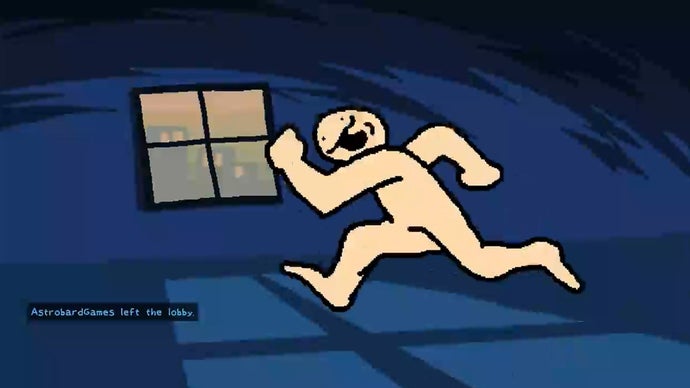
Anyone who has spent time in competitive online gaming knows the frustration all too well: you’re in the middle of an intense match, victory is within reach, and suddenly your opponent vanishes into the digital ether. Rage quitting—the act of abruptly leaving a game when things aren’t going your way—has plagued online gaming communities for decades. It ruins matches, wastes time, and leaves winning players feeling cheated out of their hard-earned victories. Now, one creative indie game developer is tackling this age-old problem with an innovative and surprisingly humorous approach that could change how we think about sudden disconnects.
The Persistent Problem of Rage Quitting
Rage quitting has been a thorn in the side of online gaming since the earliest days of competitive multiplayer. The phenomenon occurs across virtually every genre, from fighting games and first-person shooters to sports simulations and real-time strategy titles. Studies have shown that approximately 20-30% of online matches in competitive games are affected by early disconnects, with a significant portion of those being intentional rage quits. The psychology behind this behavior is well-documented: when players experience frustration, embarrassment, or a sense of inevitable defeat, the impulse to simply escape the situation can overwhelm their commitment to fair play. This creates a toxic cycle where legitimate players become increasingly frustrated, and the overall quality of online gaming communities suffers as a result.
Major game publishers have tried numerous approaches to combat this issue over the years. Penalty systems that temporarily ban rage quitters, ranking point deductions, and matchmaking restrictions have all been implemented with varying degrees of success. Some games replace disconnected players with AI opponents, while others simply end the match prematurely. However, these solutions often feel punitive rather than creative, and determined rage quitters frequently find ways to circumvent them. The gaming community has long awaited a more innovative approach—and that’s exactly what this indie developer appears to be delivering.
A Creative Indie Solution Emerges
The indie developer in question has been working on a system that transforms the frustrating experience of being rage-quit on into something genuinely entertaining. Rather than simply punishing the quitting player or leaving victims with an unsatisfying incomplete match, this new approach creates comedic in-game consequences that acknowledge what happened while giving remaining players something to laugh about. Details about the specific mechanics are still emerging, but early reports suggest the system includes amusing animations, satirical commentary, and creative ways to “complete” matches that honor the effort of players who stayed until the end.
This approach reflects a broader trend in indie game development: finding joy and humor in addressing long-standing gaming frustrations. Independent developers, unburdened by corporate pressure to maximize engagement metrics at all costs, often have the creative freedom to experiment with unconventional solutions. The indie gaming scene has historically been responsible for some of the most innovative mechanics in the industry, from the revolutionary death systems in games like “Dark Souls” to the creative narrative structures of titles like “Undertale.” By applying this same innovative spirit to the rage-quitting problem, this developer is potentially opening new doors for how the industry thinks about player behavior and community management.
The Future of Fair Play in Online Gaming
As online gaming continues to grow—with the global esports market alone valued at over $1.8 billion and competitive gaming audiences reaching hundreds of millions worldwide—finding effective solutions to rage quitting becomes increasingly important. The success of creative approaches like this indie developer’s system could influence how major studios tackle similar problems in the future. Rather than relying solely on punitive measures, developers might begin exploring ways to transform negative experiences into positive ones, fostering more resilient and good-humored gaming communities. While rage quitting will likely never be completely eliminated, innovative solutions that bring levity to the situation may help reduce its impact on player enjoyment and keep online gaming spaces more welcoming for everyone involved.
Expert Opinion: This indie developer’s approach represents a significant shift in how the gaming industry might address toxic behavior—moving from punishment-based systems to experience-based solutions. If successful, we could see major publishers adopting similar “humor as antidote” mechanics within the next few years, fundamentally changing how online games handle disconnects and creating more positive player experiences even in frustrating situations.