
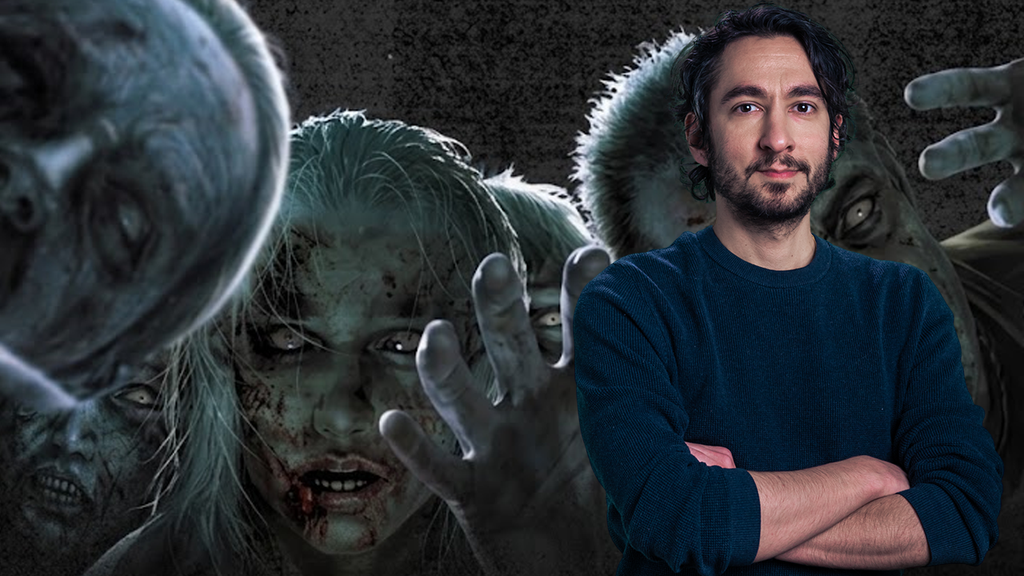
Two decades ago, Capcom unleashed a game that would push the Xbox 360 to its absolute limits while simultaneously redefining what a zombie game could be. Dead Rising, featuring the now-iconic photojournalist Frank West, celebrated its twentieth anniversary this year, marking a milestone for a title that dared to take everything players knew about survival horror and flip it completely on its head. While the game was notorious for causing Xbox 360 consoles to overheat and occasionally fail, players have largely forgiven Capcom for the hardware strain, recognizing the ambitious vision that required such demanding technical specifications.
Released in August 2006, Dead Rising arrived during a crucial period for both Capcom and the gaming industry as a whole. The Xbox 360 had launched just nine months earlier, and developers were still learning to harness the power of the new generation of consoles. Capcom, fresh off the massive critical and commercial success of Resident Evil 4 in 2005, chose to take a dramatically different approach to the undead genre they had essentially created with the original Resident Evil in 1996. Rather than doubling down on the survival horror formula, the Japanese developer decided to explore what would happen if players were given freedom, creativity, and hundreds of zombies to dispatch however they saw fit.
From Survival Horror to Sandbox Mayhem
The genius of Dead Rising lay in its fundamental departure from the established zombie game formula. Where Resident Evil emphasized resource scarcity, careful ammunition management, and genuine terror, Dead Rising embraced abundance and dark comedy. Set in the fictional Willamette Parkview Mall in Colorado, the game dropped players into an environment filled with thousands of potential weapons. Chainsaws, baseball bats, shopping carts, mannequin arms, potted plants, and virtually anything else that could be picked up became instruments of zombie destruction. This sandbox approach to combat was revolutionary for its time, predating similar mechanics that would later appear in games like Saints Row and even influencing the direction of other zombie franchises.
The setting itself was a deliberate homage to George A. Romero’s 1978 classic “Dawn of the Dead,” which similarly used a shopping mall as both sanctuary and battleground during a zombie apocalypse. Capcom paid tribute to the film that had inspired so many horror games while simultaneously carving out their own unique identity. The mall setting provided the perfect playground for Dead Rising’s experimental gameplay, offering diverse environments from hardware stores to toy shops, each stocked with contextually appropriate weapons and items. This environmental storytelling and interactive design would become a template for future open-world games.
Frank West: An Unlikely Hero for a New Era
Central to Dead Rising’s success was its protagonist, Frank West, a freelance photojournalist who stumbles upon the zombie outbreak while chasing the story of a lifetime. Unlike the trained police officers and special agents of Resident Evil, Frank was deliberately ordinary—a middle-aged man with a camera and a knack for finding trouble. His catchphrase, “I’ve covered wars, you know,” became instantly memorable, and his everyman quality made the absurdist violence feel more grounded. The photography mechanic, which rewarded players for capturing dramatic, gruesome, or comedic moments, added another layer of engagement that set Dead Rising apart from its contemporaries.
The game’s notorious 72-hour time limit created a unique tension that divided players but ultimately became one of its defining characteristics. Every rescue mission, story beat, and side quest operated on a strict schedule, forcing players to make difficult choices about how to spend their limited time. This design philosophy encouraged multiple playthroughs and gave Dead Rising significant replay value, as players could never experience everything in a single run. The system was controversial but innovative, influencing future games that would experiment with real-time pressure mechanics.
Legacy and Lasting Impact
Dead Rising spawned a successful franchise that continues to this day, with sequels expanding on the original’s formula and introducing new protagonists and settings. The series has sold millions of copies worldwide and established itself as one of Capcom’s most valuable intellectual properties alongside Resident Evil, Monster Hunter, and Street Fighter. More importantly, Dead Rising proved that the zombie genre could accommodate different tones and gameplay styles, paving the way for games like Left 4 Dead, Dying Light, and even Plants vs. Zombies to find their own unique approaches to the undead.
As Dead Rising celebrates its twentieth anniversary, its influence on modern gaming remains undeniable. The game demonstrated that technical ambition, creative freedom, and a willingness to subvert genre expectations could result in something truly memorable. For a generation of players who experienced the Willamette outbreak for the first time on their Xbox 360 consoles, Frank West’s adventure remains a touchstone of gaming history—a reminder that sometimes the best way to honor a legacy is to completely reinvent it.
Expert Opinion: Dead Rising’s twentieth anniversary highlights how Capcom’s willingness to take creative risks with established genres has consistently driven innovation in the industry. The game’s sandbox approach to zombie combat effectively created a new subgenre that continues to influence game design today. Looking forward, the franchise’s recent remasters suggest Capcom recognizes the enduring appeal of Frank West’s adventures, potentially setting the stage for a full revival that could introduce Dead Rising’s unique blend of horror and comedy to a new generation of players.