
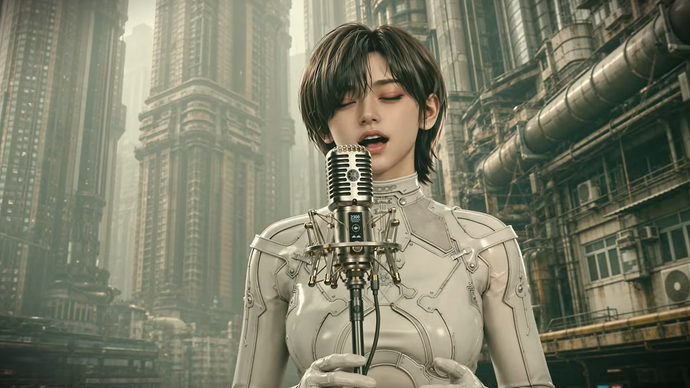
South Korean game developer Shift-Up has unveiled an unconventional promotional campaign for its highly anticipated sequel Stellar Blade: Bloodrain, releasing what appears to be a fully AI-generated K-Pop music video featuring the game’s protagonist EVE. The decision to utilize generative artificial intelligence for the promotional material has sparked immediate discussion within the gaming community, raising questions about the intersection of AI technology, creative content, and video game marketing in an industry increasingly experimenting with these emerging tools.
The music video showcases EVE, the popular protagonist from the original Stellar Blade, rendered in a stylized K-Pop aesthetic complete with choreographed dance sequences and synthesized vocals. The production quality demonstrates the rapid advancement of generative AI capabilities, though the choice to employ this technology for a major game promotion has drawn mixed reactions from fans and industry observers alike. Some viewers have praised the innovative approach to marketing, while others have expressed concerns about the implications for human artists and content creators in the entertainment industry.
The Rise of AI in Gaming Marketing
The gaming industry has been at the forefront of adopting AI technologies, from procedural content generation to sophisticated NPC behavior systems. However, the use of generative AI for promotional materials represents a relatively new frontier that many companies are cautiously exploring. Shift-Up’s decision to create an entirely AI-generated music video signals a potential shift in how game publishers approach marketing campaigns, potentially reducing production costs while enabling rapid content creation. Industry analysts note that this approach could become more common as AI tools continue to improve in quality and accessibility.
This development comes at a particularly sensitive time for the entertainment industry, which has seen significant debate over AI’s role in creative processes. The 2023 Hollywood strikes brought these issues to the forefront, with writers and actors expressing concerns about AI replacing human talent. The gaming industry faces similar tensions, with voice actors, concept artists, and other creative professionals watching closely as companies experiment with AI-generated content. Shift-Up’s music video could serve as a bellwether for how other studios approach similar decisions in the future.
Stellar Blade’s Journey and Sequel Expectations
The original Stellar Blade, released as a PlayStation 5 exclusive in April 2024, achieved considerable commercial and critical success, establishing itself as one of the year’s standout action games. The title drew favorable comparisons to acclaimed games like NieR: Automata and Bayonetta, combining fluid combat mechanics with a post-apocalyptic narrative following EVE’s mission to reclaim Earth from monstrous creatures known as Naytibas. The game’s protagonist quickly became a cultural phenomenon, with EVE’s character design generating substantial fan engagement and cosplay activity worldwide.
Shift-Up, founded by veteran game designer Kim Hyung-tae in 2013, has built a reputation for creating visually striking games with memorable character designs. Before Stellar Blade, the company was primarily known for mobile titles like Destiny Child and the action RPG Goddess of Victory: Nikke, which similarly featured distinctive female protagonists. The studio’s success with these properties, particularly Nikke’s impressive revenue performance, provided the foundation for the ambitious console development that resulted in Stellar Blade. The announcement of Stellar Blade: Bloodrain suggests the company is committed to expanding its presence in the console gaming market.
Industry Implications and Future Outlook
The promotional video’s reception will likely influence how other game publishers approach AI-generated marketing content moving forward. Major studios have been cautiously implementing AI tools behind the scenes for various development tasks, but public-facing AI content remains relatively rare due to potential backlash from consumers and industry workers. Shift-Up’s willingness to openly use generative AI for a high-profile promotion could encourage other companies to follow suit, or alternatively, the community response might prompt more conservative approaches depending on how fans ultimately receive the content.
As Stellar Blade: Bloodrain moves toward its eventual release, the AI music video controversy will likely remain a topic of discussion within gaming circles. The sequel faces high expectations following the original’s success, and Shift-Up will need to balance innovative marketing approaches with maintaining goodwill among its fanbase. Whether this promotional strategy proves successful could have lasting implications for how the gaming industry navigates the complex relationship between artificial intelligence and creative content in the years ahead.
Expert Opinion: This promotional decision by Shift-Up represents a critical inflection point for the gaming industry’s relationship with generative AI in consumer-facing content. While cost savings and production speed are attractive benefits, studios must carefully weigh these advantages against potential reputational risks and the broader ethical implications of displacing human creative talent. The gaming community’s response to this campaign will likely serve as a significant data point for other publishers considering similar AI-driven marketing strategies in 2025 and beyond.