
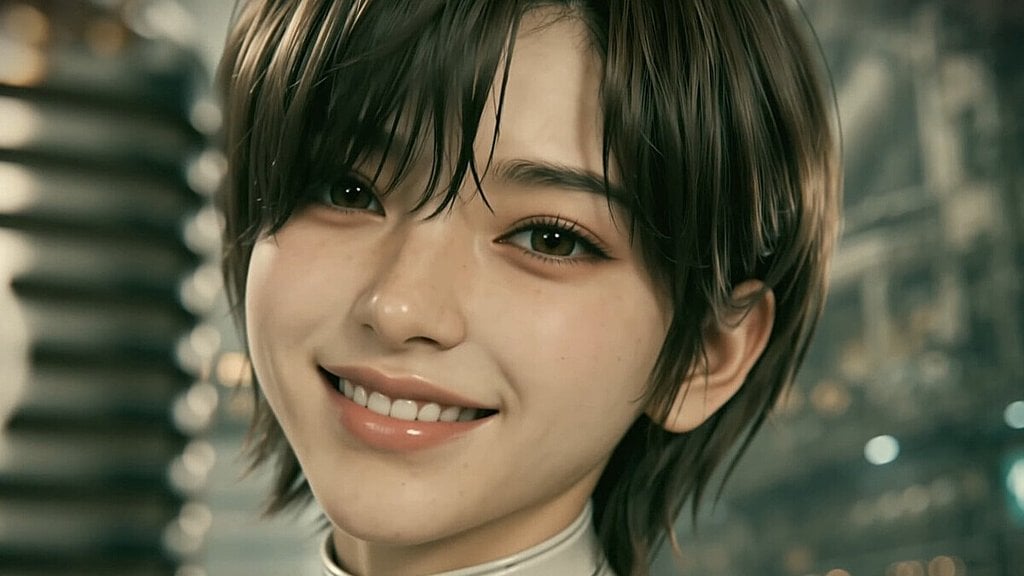
Shift Up has established itself as one of the most prominent Asian game studios in recent years, captivating audiences with their distinctive visual style and action-packed gameplay. While the first installment of Stellar Blade continues its successful journey with a highly anticipated port to Nintendo Switch 2 scheduled for later this year, the announcement of its sequel at Summer Game Fest 2025 had initially generated tremendous excitement within the gaming community. However, that enthusiasm has quickly turned to bewilderment and mockery following the reveal of certain gameplay mechanics that players are calling inexplicably poor design choices.
The Controversial Reveal That Sparked Outrage
The Summer Game Fest presentation showcased what was supposed to be Shift Up’s triumphant return with Stellar Blade 2, but instead left viewers scratching their heads in disbelief. Social media platforms exploded with criticism as players dissected the trailer and gameplay demonstrations, with many questioning whether the development team had learned anything from player feedback on the original title. The phrase “no way they’re this dumb” quickly became a rallying cry among disappointed fans who had been eagerly awaiting the sequel for months.
The gaming community’s reaction highlights a growing trend of vocal criticism toward developers who appear to ignore community feedback. In an era where social media gives players direct access to developers, expectations for responsiveness have never been higher. Many longtime fans of the original Stellar Blade expressed feelings of betrayal, noting that the original game’s success was built largely on listening to what players wanted and delivering polished, responsive gameplay mechanics.
Shift Up’s Rise and the Weight of Expectations
Founded in 2013 by Hyung-Tae Kim, a legendary artist in the gaming industry known for his work on the Magna Carta series, Shift Up quickly made a name for itself with mobile titles before transitioning to console development. The South Korean studio’s debut console release, Stellar Blade, launched in April 2024 as a PlayStation 5 exclusive and garnered significant attention for its stunning visuals, fluid combat system, and protagonist Eve, whose design sparked considerable debate across gaming forums worldwide.
The original Stellar Blade sold over one million copies within its first month, an impressive feat for a new intellectual property from a relatively unknown studio. Critics praised its challenging boss battles reminiscent of FromSoftware titles, while also appreciating its more accessible difficulty options. The game’s success positioned Shift Up as a studio capable of competing with established action game developers like PlatinumGames and Team Ninja, making the sequel’s stumbles all the more surprising to industry observers.
Industry Context and the Pressure of Sequels
The gaming industry has seen numerous examples of successful franchises stumbling with their sophomore entries. The pressure to innovate while maintaining what made the original special creates a delicate balancing act that many studios struggle to achieve. Recent years have witnessed both spectacular sequel successes, such as Baldur’s Gate 3 and God of War Ragnarök, alongside disappointing follow-ups that failed to capture lightning in a bottle twice. Shift Up now finds itself navigating these treacherous waters under intense public scrutiny.
Market analysts note that the PlayStation 5’s install base, now exceeding 60 million units worldwide, creates both opportunity and pressure for exclusive titles. With Sony’s continued investment in Japanese and Korean development partnerships, Stellar Blade 2 represents a significant bet on the Asian gaming market’s ability to produce globally competitive action titles. The negative reception to the recent reveal could impact not only Shift Up’s future but also Sony’s strategic relationships with Asian studios.
What Comes Next for Stellar Blade 2
Despite the wave of criticism, history has shown that negative early reactions don’t necessarily predict a game’s ultimate fate. Titles like Final Fantasy XIV and No Man’s Sky recovered from disastrous launches to become beloved experiences, while others like Cyberpunk 2077 eventually won over skeptics through persistent updates and improvements. Shift Up has time before the sequel’s expected 2026 release date to address player concerns and potentially redesign problematic elements.
The studio has yet to issue an official response to the backlash, though industry insiders suggest that developers are closely monitoring social media sentiment. With the Nintendo Switch 2 port of the original game still ahead, Shift Up has an opportunity to demonstrate their commitment to player satisfaction before the sequel arrives. Whether they can transform this moment of ridicule into a redemption story remains one of the gaming industry’s most intriguing questions heading into the new year.
Expert Opinion: The intensity of player backlash reflects heightened expectations in an era where community engagement shapes development cycles. Shift Up’s response in the coming weeks will be critical—studios that acknowledge criticism transparently and demonstrate willingness to iterate typically recover stronger. Given their track record with the original Stellar Blade, there’s reason to believe this stumble could ultimately strengthen the final product if the team commits to meaningful dialogue with their fanbase.