
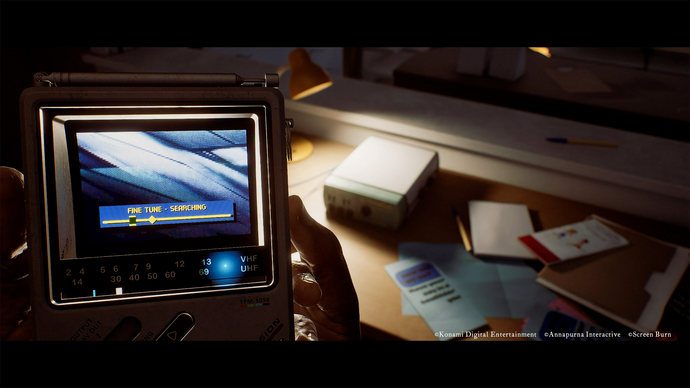
In an era where video game development increasingly relies on digital shortcuts and procedural generation, the team at Screen Burn has taken a remarkably hands-on approach to crafting the horror experience in Silent Hill: Townfall. The studio revealed that developers physically destroyed vintage cathode-ray tube televisions using magnets to capture the authentic visual distortions and electromagnetic interference patterns needed for the game’s signature gadget, the CRTV. This commitment to practical experimentation demonstrates how modern game developers are finding innovative ways to blend real-world physics with digital artistry to create more immersive and believable gaming experiences.
The CRTV device serves as a central gameplay mechanic in Silent Hill: Townfall, functioning as the player’s primary tool for navigating the nightmarish landscape that the franchise is famous for. Rather than simply programming visual effects that approximate what a malfunctioning CRT television might look like, Screen Burn’s artists and designers wanted the device to feel genuinely analogue—complete with all the imperfections and unpredictable behavior that characterized vintage television technology. By subjecting real CRT monitors to magnetic interference, the team was able to document and study the authentic warping, color bleeding, and static patterns that occur when electromagnetic fields disrupt the electron beams inside these classic displays.
The Science Behind the Madness
Cathode-ray tube technology, which dominated television and computer monitor design from the 1930s through the early 2000s, operates by firing electrons at a phosphorescent screen to create images. When magnets are brought near these devices, they deflect the electron beams, causing distinctive visual distortions including color shifts, image warping, and the characteristic “degaussing” patterns that many viewers from the CRT era will remember. These effects were often considered problems to be avoided, but for Screen Burn’s purposes, they represented exactly the kind of unsettling, otherworldly visual language perfect for a Silent Hill game. The decision to physically recreate these phenomena rather than simulate them digitally speaks to the studio’s dedication to authenticity in horror design.
This approach aligns with the broader philosophy of the Silent Hill franchise, which has always distinguished itself through psychological horror rooted in tangible, relatable elements of everyday life. The original Silent Hill games on PlayStation used the technical limitations of their era—fog effects that masked draw distance limitations, grainy textures, and muted color palettes—to create an atmosphere of dread and uncertainty. By incorporating real analogue artifacts into Townfall’s visual design, Screen Burn is paying homage to this legacy while updating it for contemporary hardware.
A New Chapter in the Silent Hill Legacy
Silent Hill: Townfall represents one of several new entries in the beloved horror franchise, which experienced a renaissance announcement in 2022 after years of dormancy following the controversial cancellation of Silent Hills. Screen Burn, a relatively new studio founded by former members of various acclaimed development teams, was entrusted with this particular entry in the series. The game promises to deliver a fresh perspective on the Silent Hill mythology while honoring the psychological horror elements that made the original games cultural touchstones in the gaming world. The franchise’s return has generated significant excitement among horror enthusiasts who consider the series one of the most influential in the genre’s history.
The practical effects approach employed by Screen Burn echoes techniques used in film production, where directors often prefer practical effects over CGI for their organic quality and the way they interact with real lighting and environments. Horror films in particular have seen a resurgence in practical effects work, with creators recognizing that physical props and real-world phenomena often register as more disturbing to audiences than their digital counterparts. By bringing this philosophy to game development, Screen Burn is bridging the gap between traditional media production and interactive entertainment, potentially setting a precedent for how horror games approach visual design in the future. As players await the release of Silent Hill: Townfall, this behind-the-scenes glimpse into its development suggests a project crafted with exceptional attention to atmospheric detail.
Expert Opinion: This unconventional development approach signals a growing trend in horror game design where studios prioritize authenticity over convenience. The tactile, imperfect nature of analogue artifacts creates visual noise that digital algorithms struggle to replicate convincingly, making Screen Burn’s methodology potentially influential for future atmospheric horror titles seeking that elusive sense of genuine unease.