
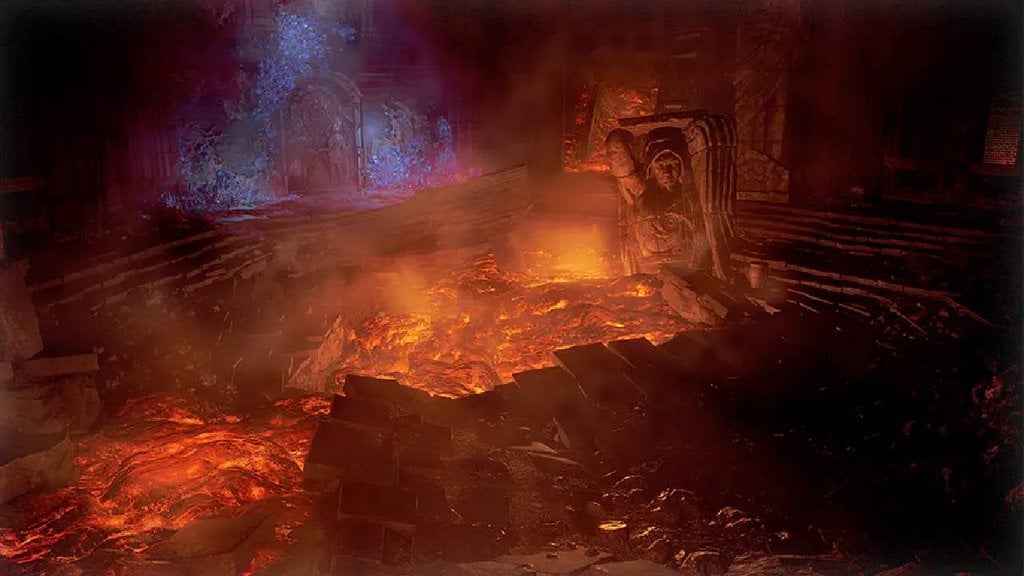
In a move that has puzzled gaming enthusiasts worldwide, Capcom has chosen to name the upcoming DLC for Dragon’s Dogma 2 with the exact same title as the legendary expansion from the original game released over a decade ago: “Dark Arisen.” This unusual naming decision has sparked considerable debate among fans of the franchise, with many questioning whether this represents a lack of creativity or a deliberate homage to the beloved 2013 expansion. Now, after months of speculation, the development team has finally broken their silence and provided an explanation for this seemingly perplexing choice.
In a recent interview with the prestigious Japanese gaming magazine Famitsu, Dragon’s Dogma 2 director Kento Kinoshita and producer Naoto Oyama addressed the controversy head-on. According to the development duo, the decision to reuse the “Dark Arisen” name was far from arbitrary or lazy—it was a carefully considered tribute to the legacy of the original expansion while simultaneously signaling to fans what they can expect from this new content. The original Dark Arisen expansion, released in April 2013, transformed Dragon’s Dogma from a promising but flawed action RPG into a genre-defining masterpiece that cultivated a devoted following.
The Legacy of the Original Dark Arisen
To understand why Capcom’s naming decision carries such weight, one must first appreciate what the original Dark Arisen represented for the franchise. When Dragon’s Dogma launched in 2012, it was praised for its innovative Pawn system—AI companions that players could create and share online—and its challenging combat that drew comparisons to the Dark Souls series. However, the game also received criticism for its limited fast travel options, repetitive quests, and an underwhelming endgame. Dark Arisen addressed nearly all of these concerns while adding Bitterblack Isle, a sprawling underground labyrinth filled with deadly new enemies and valuable loot that gave hardcore players dozens of additional hours of content to explore.
The expansion became so integral to the Dragon’s Dogma experience that subsequent re-releases on PlayStation 4, Xbox One, Nintendo Switch, and PC were sold exclusively as the “Dragon’s Dogma: Dark Arisen” complete package. For many players, particularly those who discovered the game years after its initial release, Dark Arisen wasn’t just DLC—it was synonymous with the definitive Dragon’s Dogma experience. This context helps explain why Capcom felt the name carried sufficient weight to warrant a second use.
A Statement of Intent and Quality
According to Kinoshita and Oyama in their Famitsu interview, reusing the Dark Arisen name serves as a promise to fans about the quality and scope of the upcoming expansion. The developers explained that they wanted to immediately communicate that this DLC would be substantial—not a minor content update or a collection of cosmetic additions, but a full-fledged expansion worthy of standing alongside its legendary predecessor. By invoking the Dark Arisen name, Capcom is essentially telling longtime fans that they can expect a similar level of transformation and enhancement that the original expansion provided.
Dragon’s Dogma 2, released in March 2024, received generally positive reviews for its expanded world, improved graphics, and refined gameplay mechanics. However, similar to its predecessor, some critics and players noted that the base game could benefit from additional endgame content and more challenging encounters for dedicated players. The announcement of Dark Arisen suggests that Capcom has been listening to this feedback and is prepared to deliver an expansion that addresses these concerns while potentially introducing new mechanics, areas, and narrative elements.
Fan Reactions and Industry Precedent
The gaming community’s response to the naming decision has been mixed. Some fans have embraced the nostalgic callback, viewing it as a respectful nod to the franchise’s history and a signal that Capcom understands what made the original expansion so beloved. Others remain skeptical, arguing that recycling a title—regardless of the reasoning—suggests a lack of confidence in the new content’s ability to establish its own identity. This debate reflects broader discussions within the gaming industry about how developers balance honoring their legacy with the need to innovate and move forward.
Capcom is no stranger to leveraging nostalgia effectively. The company has built much of its recent success on carefully crafted remakes and revivals of classic franchises, including Resident Evil 2, Resident Evil 4, and the Monster Hunter series. The decision to reuse the Dark Arisen name fits within this broader corporate strategy of mining the company’s rich history while delivering contemporary gaming experiences. Whether this gamble pays off will ultimately depend on whether the new Dark Arisen lives up to the substantial expectations that its name inevitably carries.
Expert Opinion: Capcom’s decision to reuse the Dark Arisen name represents a calculated risk that speaks to the company’s confidence in the expansion’s quality. If the DLC delivers substantial content on par with the original, this naming strategy could strengthen brand recognition and fan loyalty. However, should it fall short of expectations, the direct comparison will only amplify criticism—making this one of the most high-stakes DLC releases in recent memory.