
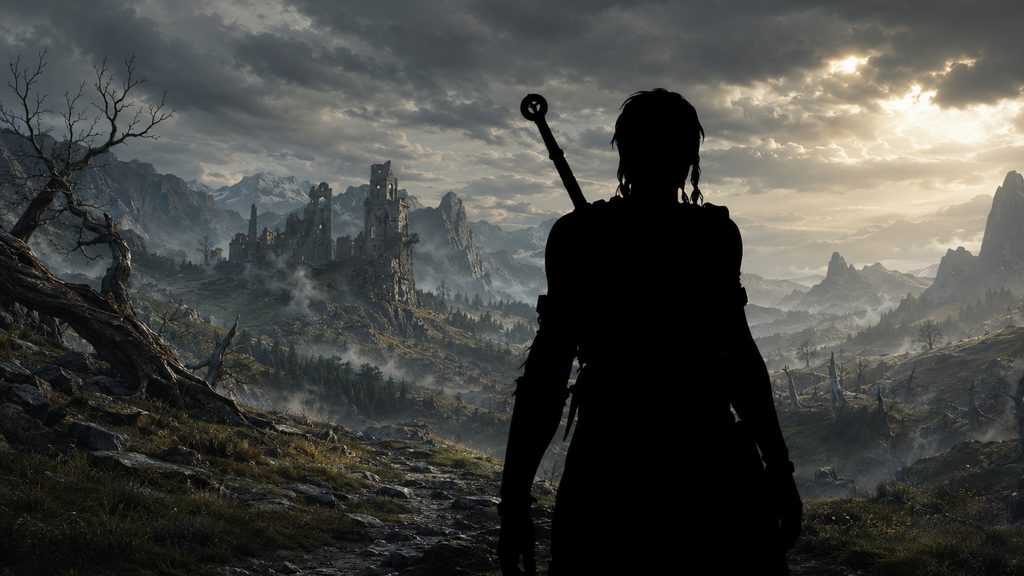
More than a decade after its initial release, The Witcher 3: Wild Hunt continues to surprise players who thought they had explored every corner of the Continent. CD Projekt Red’s masterpiece has sold over 50 million copies worldwide and remains one of the most celebrated role-playing games in history. Yet beneath its polished surface lurk technical issues that can emerge at the most unexpected moments. While some bugs are harmless visual glitches that inspire laughter, others carry consequences far more severe than a simple display error — and this particular discovery falls firmly into the latter category.
The Nature of Save-Corrupting Bugs in Legacy Games
Save file corruption represents one of the most frustrating experiences a gamer can encounter, particularly in sprawling open-world RPGs where players invest hundreds of hours building their perfect playthrough. The Witcher 3’s save system stores an enormous amount of data, tracking everything from Geralt’s equipment and skill points to the countless decisions that shape the game’s branching narrative. When corruption occurs, it can manifest in various ways — from minor inconveniences like missing items to catastrophic failures that render entire save files unplayable. What makes this particular bug especially insidious is its ability to affect not just current progress but historical saves as well, potentially invalidating weeks or months of careful gameplay.
The technical architecture of modern games like The Witcher 3 involves complex interdependencies between game states, quest flags, and world variables. When one of these elements becomes corrupted or enters an invalid state, the ripple effects can propagate throughout the save file system. Players who maintain multiple save points as a precaution may find themselves devastated to discover that the corruption has spread backward through their save history, leaving no safe point to return to. This phenomenon occurs because certain game variables are written universally across save files rather than being contained within individual snapshots.
Why Decade-Old Games Still Harbor Undiscovered Issues
It might seem surprising that a game released in 2015 and subsequently updated numerous times — including the comprehensive Next-Gen update in December 2022 — could still contain game-breaking bugs waiting to be discovered. However, the sheer scale of The Witcher 3 makes comprehensive bug testing nearly impossible. With over 100 hours of main content, countless side quests, and millions of possible player choice combinations, some issues only emerge under extremely specific circumstances. A bug might require a particular sequence of actions, specific timing, or an unusual combination of completed quests to trigger, meaning it could evade detection for years until the right player stumbles upon the exact conditions needed to activate it.
CD Projekt Red has maintained support for The Witcher 3 far longer than most developers support their titles, releasing patches and updates that address community-reported issues. However, each patch also carries the risk of introducing new problems or creating unexpected interactions with existing game systems. The modding community, while enormously beneficial to the game’s longevity, can also complicate matters by altering game files in ways that expose or exacerbate underlying engine vulnerabilities. Players running modded installations may be particularly susceptible to save corruption issues, though vanilla installations are by no means immune.
Protecting Your Witcher 3 Progress
For players currently enjoying The Witcher 3 or planning a return to the Northern Kingdoms, several precautionary measures can help safeguard precious save files. Maintaining regular backup copies of save data to external storage or cloud services provides a safety net against corruption. Playing on the latest official patch ensures access to all available bug fixes, though players should research known issues before updating mid-playthrough. Perhaps most importantly, the community forums and wikis maintained by dedicated fans serve as invaluable resources for identifying potential problem areas and learning how to avoid triggering known bugs. The discovery of issues like this one, while frustrating, ultimately helps the community develop better practices for preserving their adventures with Geralt of Rivia.
Expert Opinion: This discovery underscores a broader challenge facing the gaming industry: the long-term preservation and stability of increasingly complex game systems. As games grow larger and more interconnected, the potential for latent bugs increases exponentially. Players should adopt a defensive saving strategy, particularly in open-world RPGs, and developers must consider implementing more robust save file validation systems that can detect and quarantine corruption before it spreads across multiple save states.