
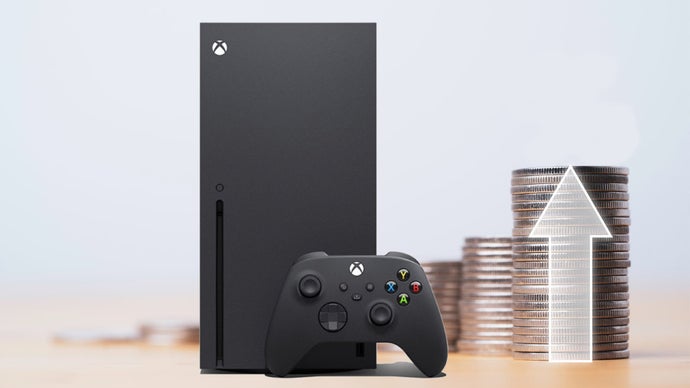
Microsoft has officially unveiled the full extent of its recent price increases across its Xbox hardware lineup, and the numbers have left consumers in the United Kingdom and Europe reeling. The tech giant’s gaming division has implemented substantial cost increases that see Xbox consoles in the UK now priced between 34 and 49 percent higher than they were just one month ago. This dramatic surge in pricing marks one of the most significant hardware cost adjustments in recent gaming history and has sparked widespread discussion about the future affordability of console gaming in European markets.
The price hikes affect the entire Xbox console family, from the entry-level Xbox Series S to the flagship Xbox Series X. In the UK specifically, the Series S has seen its price jump from approximately £250 to around £335, while the Series X has climbed from £480 to over £600 in some configurations. These increases place Xbox hardware at a significant price disadvantage compared to its primary competitor, Sony’s PlayStation 5, which has maintained more stable pricing in recent months. For many consumers who were planning to purchase an Xbox console, these new prices have fundamentally altered their calculations.
The Global Economic Factors Behind the Price Surge
The dramatic price increases can be attributed to a perfect storm of economic pressures that have been building over the past year. Currency fluctuations have played a central role, with the British pound and euro experiencing significant volatility against the US dollar. Since Xbox consoles are manufactured and priced in dollars, any weakening of local currencies directly impacts the retail price consumers must pay. Additionally, ongoing global supply chain challenges, increased manufacturing costs, and tariff adjustments have all contributed to the mounting pressure on hardware pricing.
Microsoft had previously hinted at potential price adjustments during its most recent earnings calls, with executives citing the challenging macroeconomic environment. However, few analysts predicted increases of this magnitude. The gaming industry has historically been resistant to mid-generation price hikes, with console manufacturers typically absorbing cost increases to maintain market share and grow their user base. This departure from convention signals a significant shift in Microsoft’s approach to its gaming hardware business and raises questions about the company’s priorities in the console market.
Consumer Reaction and Market Impact
The reaction from Xbox’s loyal fanbase has been swift and largely negative. Social media platforms have been flooded with complaints from consumers who feel blindsided by the sudden and substantial increases. Many potential buyers have expressed that they will now either delay their purchase indefinitely or consider switching to competitor platforms. Gaming forums and communities have seen heated discussions about whether Microsoft is effectively pricing itself out of the European console market, particularly given the strong competition from Sony and the growing appeal of PC gaming as an alternative.
Industry analysts have offered mixed assessments of Microsoft’s strategy. Some suggest that the company may be deliberately de-emphasizing hardware sales in favor of its Game Pass subscription service, which can be accessed through various devices including smart TVs and mobile phones. Others argue that the price hikes could seriously damage Xbox’s market position in Europe, where it already trails PlayStation significantly in terms of installed base. The long-term consequences of this pricing decision may not become clear for several months, but the immediate impact on consumer sentiment is undeniably negative.
Historical Context and Future Outlook
Looking back at gaming history, mid-generation price increases of this scale are virtually unprecedented. Typically, console prices decrease over time as manufacturing processes become more efficient and components become cheaper. The Xbox 360 and PlayStation 3 generation saw gradual price reductions that helped expand the gaming audience significantly. Even accounting for inflation and changing economic conditions, the current Xbox price hikes represent a stark departure from established industry norms. This move may signal a broader shift in how gaming hardware is priced and marketed in the future.
For consumers in the UK and Europe, the path forward remains uncertain. Those committed to the Xbox ecosystem may need to budget significantly more than anticipated, while others may find themselves reconsidering their platform loyalty entirely. Microsoft has not indicated whether these prices will remain permanent or if adjustments might be made in response to market conditions. As the holiday shopping season approaches, the true impact of these price increases on Xbox’s sales performance will become apparent, potentially shaping the company’s strategy for years to come.
Expert Opinion: These unprecedented price increases suggest Microsoft may be pivoting away from competing on hardware volume toward a services-first model built around Game Pass. While this strategy could prove viable long-term, the short-term damage to brand loyalty and market share in Europe could take years to recover. Consumers should expect competitors to capitalize on this opportunity, potentially leading to aggressive PlayStation promotions in the coming months.