
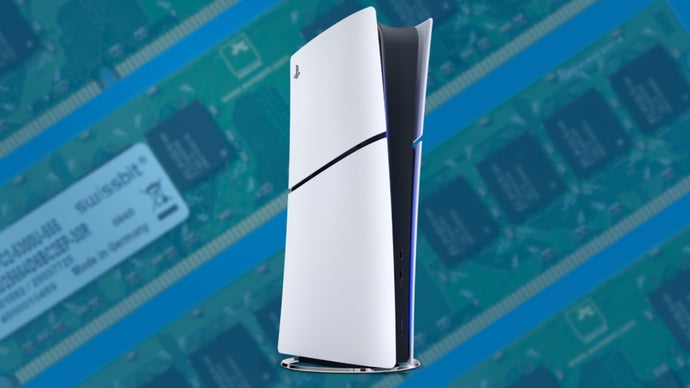
As the global semiconductor industry continues to grapple with unprecedented supply chain challenges, Sony’s PlayStation division has announced reassuring news for gaming enthusiasts worldwide. The company has confirmed it has secured sufficient memory components to maintain PlayStation 5 production and meet sales targets through at least early 2027. This strategic stockpiling comes at a critical time when memory prices are surging and availability is becoming increasingly constrained across the entire electronics industry.
The announcement arrives just one day after Nvidia revealed that its graphics processing units would see another substantial price increase of up to 30 percent. This latest hike is directly attributed to the insatiable demand for generative AI hardware, which has created a ripple effect throughout the semiconductor supply chain. As tech giants race to build out AI infrastructure, traditional gaming and consumer electronics companies are finding themselves competing for increasingly scarce components.
The AI-Driven Component Crisis Explained
The current memory crisis represents one of the most significant disruptions to the consumer electronics industry in recent years. Generative AI applications, from large language models to image generators, require massive amounts of high-bandwidth memory to function effectively. Companies like OpenAI, Google, Microsoft, and Meta have been acquiring memory components at unprecedented rates, driving prices upward and limiting availability for other sectors. Industry analysts estimate that AI-related hardware purchases now account for nearly 40 percent of high-performance memory demand globally, a figure that was virtually negligible just three years ago.
DRAM and NAND flash memory, both essential components in gaming consoles like the PS5, have seen price increases ranging from 15 to 50 percent over the past year alone. Samsung, SK Hynix, and Micron—the three dominant players in the memory market—have all indicated that production capacity expansions cannot keep pace with current demand levels. This supply-demand imbalance shows no signs of resolving in the near term, making Sony’s proactive approach to inventory management particularly significant.
Sony’s Strategic Response and Industry Impact
Sony’s decision to stockpile memory components reflects lessons learned during the COVID-19 pandemic, when chip shortages severely impacted PS5 availability for nearly two years after launch. During that period, consumers faced extreme difficulties purchasing the console at retail prices, with scalpers often charging double or triple the suggested retail price. The company appears determined to avoid repeating that scenario, even as new challenges emerge in the form of AI-driven demand.
PlayStation’s commitment to maintaining production stability through early 2027 suggests the company has likely invested hundreds of millions of dollars in component inventory. This approach carries financial risks, as holding large inventories ties up capital and exposes the company to potential losses if prices eventually decline. However, given current market projections suggesting continued memory price increases through at least 2026, this strategy appears well-calculated.
Looking Ahead: Implications for Gamers and the Industry
For consumers, Sony’s announcement provides welcome reassurance that PS5 availability and pricing should remain relatively stable in the near term. However, the broader implications for the gaming industry remain concerning. Microsoft’s Xbox division and Nintendo, currently preparing for its Switch successor launch, face similar component challenges. Smaller gaming hardware manufacturers and PC component makers may struggle even more to secure necessary supplies, potentially leading to higher prices across the entire gaming ecosystem.
The situation also raises questions about the long-term sustainability of current gaming console business models. As memory and processor costs continue rising, manufacturers may eventually need to either increase console prices significantly or find ways to reduce component requirements without sacrificing performance. Some industry observers suggest this could accelerate the shift toward cloud gaming services, which centralize hardware costs at the data center level rather than in consumer devices.
Expert Opinion: The memory crisis represents a fundamental restructuring of semiconductor industry priorities, with AI applications now commanding resources that previously flowed to consumer electronics. Sony’s stockpiling strategy, while effective short-term, highlights a troubling trend where gaming companies must compete against deep-pocketed AI firms for essential components. Looking ahead to 2027 and beyond, we may see console manufacturers exploring alternative memory technologies or forming deeper partnerships with chip producers to ensure long-term supply security.