
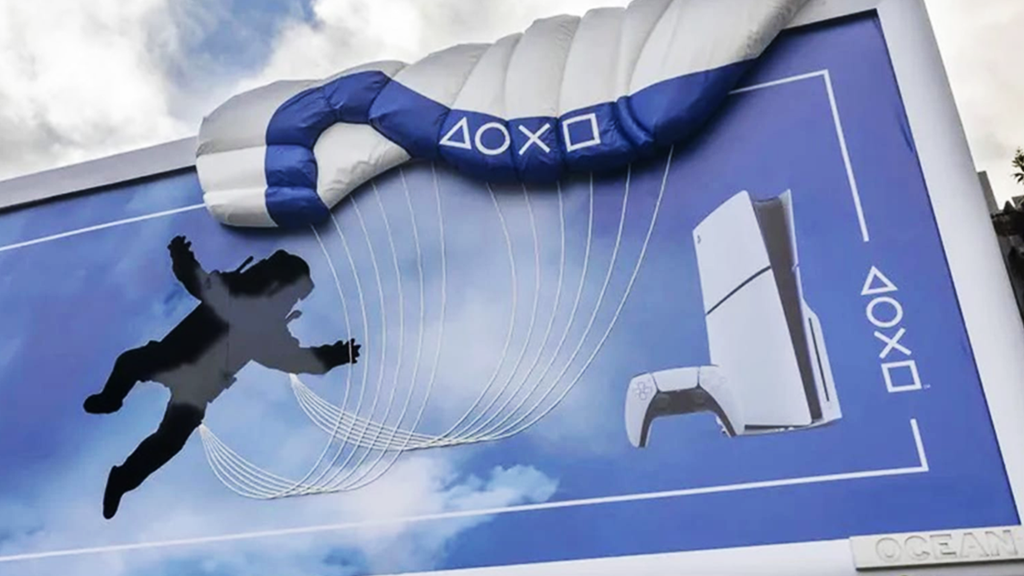
The gaming industry is witnessing a significant shift as Sony faces mounting challenges with its PlayStation division. While many analysts predicted that Sony would easily surpass 100 million PlayStation 5 units sold before summer 2025, reality has painted a starkly different picture. The declining sales figures for the PS5 compared to the previous year have raised serious concerns among investors and industry watchers alike, drawing uncomfortable comparisons to previous console generations that struggled to maintain momentum.
The latest financial results from Sony have revealed disappointing numbers that have sent ripples through the gaming community. Year-over-year sales of the PlayStation 5 have dropped significantly, a troubling trend that suggests the console may be entering the twilight phase of its lifecycle earlier than anticipated. This decline comes at a particularly challenging time for Sony, as the company simultaneously invests billions of dollars into the development of its next-generation console, the PlayStation 6, creating a financial squeeze that is impacting the entire gaming division.
The Heavy Financial Burden of Next-Generation Development
Developing a next-generation gaming console has never been more expensive. The PlayStation 6 is expected to incorporate cutting-edge technology, including advanced AMD processors, revolutionary graphics capabilities, and potentially groundbreaking features like enhanced virtual reality integration. Industry experts estimate that Sony is investing between 3 to 5 billion dollars in research and development alone for the PS6, not including manufacturing setup costs and marketing budgets. This massive investment comes at a time when the current console generation is underperforming expectations, creating a precarious financial situation for the Japanese technology giant.
Historical context provides valuable perspective on Sony’s current predicament. The PlayStation 4 era was marked by remarkable success, with the console eventually selling over 117 million units worldwide and generating substantial profits for the company. However, the transition from PS4 to PS5 faced unprecedented challenges, including the global semiconductor shortage that plagued the industry from 2020 to 2023, limiting Sony’s ability to meet demand during crucial launch years. Now, as supply has normalized, demand appears to be waning faster than anticipated.
Consumer Sentiment and the Betrayal Narrative
Perhaps more concerning than the raw sales figures is the growing sentiment among PlayStation’s loyal fanbase that they are being treated as commodities rather than valued customers. Many gamers have expressed frustration with Sony’s pricing strategies, including the controversial decision to raise game prices to $70 and the increasing emphasis on subscription services over traditional game ownership. The recent trend of releasing games simultaneously on PC has also alienated some console purists who feel their investment in PlayStation hardware is being devalued. Social media platforms and gaming forums have been flooded with complaints from long-time PlayStation supporters who feel the company has lost touch with its core audience.
The gaming landscape has evolved dramatically since the PS5’s November 2020 launch. Competition from Microsoft’s Xbox Game Pass service, the rise of cloud gaming platforms, and the incredible success of the Nintendo Switch have all contributed to a more fragmented market. Additionally, mobile gaming continues to capture an ever-larger share of consumer entertainment spending, particularly among younger demographics who represent the future of the industry. Sony must navigate these treacherous waters while simultaneously funding its most ambitious console project to date.
Looking Ahead: Challenges and Opportunities
Despite the current challenges, Sony remains a formidable force in the gaming industry. The company’s first-party studios continue to produce critically acclaimed titles, and the PlayStation brand maintains significant cultural cachet worldwide. However, the path forward requires careful navigation. Sony must balance the enormous costs of PS6 development against the reality of a potentially shorter-than-expected PS5 lifecycle, all while rebuilding trust with a fanbase that increasingly feels overlooked. The coming months will be crucial in determining whether Sony can reverse the negative trends and position itself for success in the next console generation.
Expert Opinion: Sony faces a critical inflection point that will define its gaming strategy for the next decade. The company must accelerate PS6 development while simultaneously reinvigorating PS5 sales through compelling exclusive content and more consumer-friendly policies. Success will depend on Sony’s ability to learn from current missteps and deliver a next-generation console that justifies both its development costs and consumer expectations.